Cryptocurrencies have transformed the way value is transferred across the internet. What once required banks, payment processors, and long settlement times can now happen in minutes—or even seconds—without intermediaries. At the heart of this transformation are cryptocurrency transactions, the fundamental operations that allow digital assets like Bitcoin, Ethereum, and other cryptocurrencies to move from one user to another.
Despite their growing popularity, many people still don’t fully understand how these transactions actually work or how transactions are verified without relying on traditional financial institutions. This article breaks down the process step by step, explaining the technology behind crypto transfers and why they are considered secure, transparent, and trustless.
What Are Cryptocurrency Transactions?
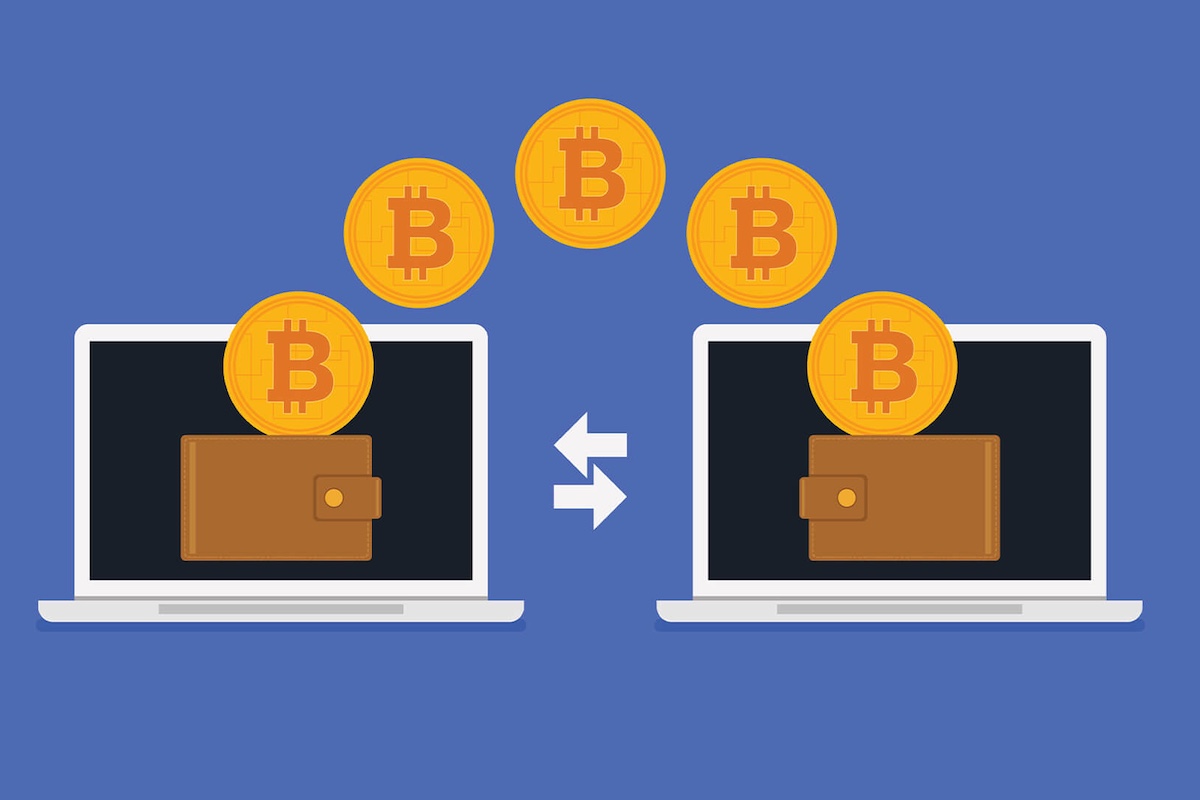
Cryptocurrency transactions are digital instructions that transfer ownership of crypto assets from one wallet to another. Unlike traditional bank transfers, these transactions do not rely on a central authority. Instead, they are recorded on a decentralized ledger known as the blockchain.
Each transaction contains key information, including:
- The sender’s wallet address
- The recipient’s wallet address
- The amount being transferred
- A cryptographic signature proving ownership
- A timestamp and network fee
Once created, the transaction is broadcast to the blockchain network, where it awaits validation.
How Cryptocurrency Transactions Begin
A transaction starts when a user initiates a transfer from their crypto wallet. The wallet software creates a transaction message and digitally signs it using the sender’s private key. This signature proves that the sender owns the funds and has the authority to move them.
Importantly, private keys are never shared. The cryptographic signature verifies ownership without revealing sensitive information, making the process both secure and privacy-preserving.
Once signed, the transaction is sent to the blockchain network, where it enters a pool of pending transactions waiting to be confirmed.
How Transactions Are Verified on the Blockchain
One of the most common questions about crypto is how transactions are verified without banks or payment processors. The answer lies in decentralized consensus mechanisms.
Different blockchains use different methods, but the core principle is the same: independent participants verify transactions according to predefined rules.
Verification Through Consensus
When a transaction is broadcast, network participants (often called nodes or validators) check that:
- The sender has sufficient balance
- The digital signature is valid
- The transaction follows protocol rules
- The same funds haven’t already been spent
Only transactions that meet all criteria are approved. Invalid or fraudulent attempts are automatically rejected by the network.
Block Creation and Confirmation
Verified transactions are grouped into blocks and added to the blockchain. Once included in a block, the transaction becomes part of the permanent ledger.
Each new block strengthens the security of previous transactions, making it extremely difficult to alter past records. This layered structure is what gives blockchain its immutability.
Why Cryptocurrency Transactions Are Secure
The security of cryptocurrency transactions is built on multiple layers of technology:
Cryptography ensures that only the rightful owner can authorize transfers.
Decentralization removes single points of failure.
Consensus mechanisms prevent fraud and double spending.
Transparency allows anyone to verify transactions publicly.
Because thousands of independent nodes maintain copies of the blockchain, altering transaction history would require overwhelming control of the network—an almost impossible task on large blockchains.
This is why crypto transactions are often considered more secure than traditional digital payments.
Transaction Speed, Fees, and Network Conditions
Transaction speed and cost depend on the blockchain being used and current network activity. During high demand, users may pay higher fees to prioritize faster confirmation.
Modern blockchains and scaling solutions are continually improving transaction efficiency, making crypto payments faster and more affordable than ever before.
For traders and investors, understanding transaction mechanics is essential—not just for transfers, but for executing trades efficiently and managing risk.
Why Understanding Transactions Matters for Traders
For active crypto traders, transaction knowledge goes beyond theory. It directly impacts:
- Trade execution timing
- Fee optimization
- Security practices
- Capital management
Professional traders pay close attention to confirmation times, network congestion, and transaction costs to avoid slippage and unnecessary losses.
This is especially important when trading with larger amounts of capital, where efficiency and precision matter.
How to Start Trading with Hash Hedge
Understanding how cryptocurrency transactions work is a foundational skill—but turning that knowledge into income requires capital, structure, and discipline. That’s where Hash Hedge comes in.
Hash Hedge allows traders to apply their skills using company-funded capital, instead of risking personal savings. Once qualified, traders gain access to funded accounts and can trade real crypto markets while keeping a significant share of profits.
The process begins by selecting a funding level, completing a skill-based evaluation, and demonstrating consistent risk management. After passing, traders receive a funded account and can trade professionally without personal financial exposure.
For traders who understand blockchain fundamentals and want to apply them in real markets, Hash Hedge offers a clear path from knowledge to opportunity.
The Bigger Picture: From Technology to Opportunity
Cryptocurrency transactions represent far more than simple digital payments. They are the foundation of a new financial system—one that is open, transparent, and decentralized.
By understanding how transactions are created, verified, and secured, traders and investors gain deeper confidence in the markets they participate in. Combined with access to professional capital and structured trading environments, this knowledge becomes a powerful advantage.
As blockchain technology continues to evolve, those who understand its core mechanics will be best positioned to benefit—whether as investors, developers, or professional traders.
The rise of cryptocurrency transactions has redefined how value moves across the globe. With decentralized verification, cryptographic security, and transparent ledgers, blockchain technology has created a financial system that operates without trust in intermediaries.
For traders, understanding how transactions are verified is more than academic—it’s essential to trading smarter, safer, and more efficiently.
When technical knowledge meets professional capital and disciplined execution, the result is opportunity. And for many modern traders, that opportunity begins with mastering blockchain fundamentals and choosing the right platform to put them into action.